Digital ownership
The internet finally learned how to own culture.
Read as a story about provenance, identity, code, and coordination.
This page is organized less like a trophy case and more like a field guide. The collection is here to explain what NFTs actually changed: profile-based identity, algorithmic originality, public provenance, onchain membership, meme permanence, AI-native creation, and the uneasy line between physical and digital ownership.



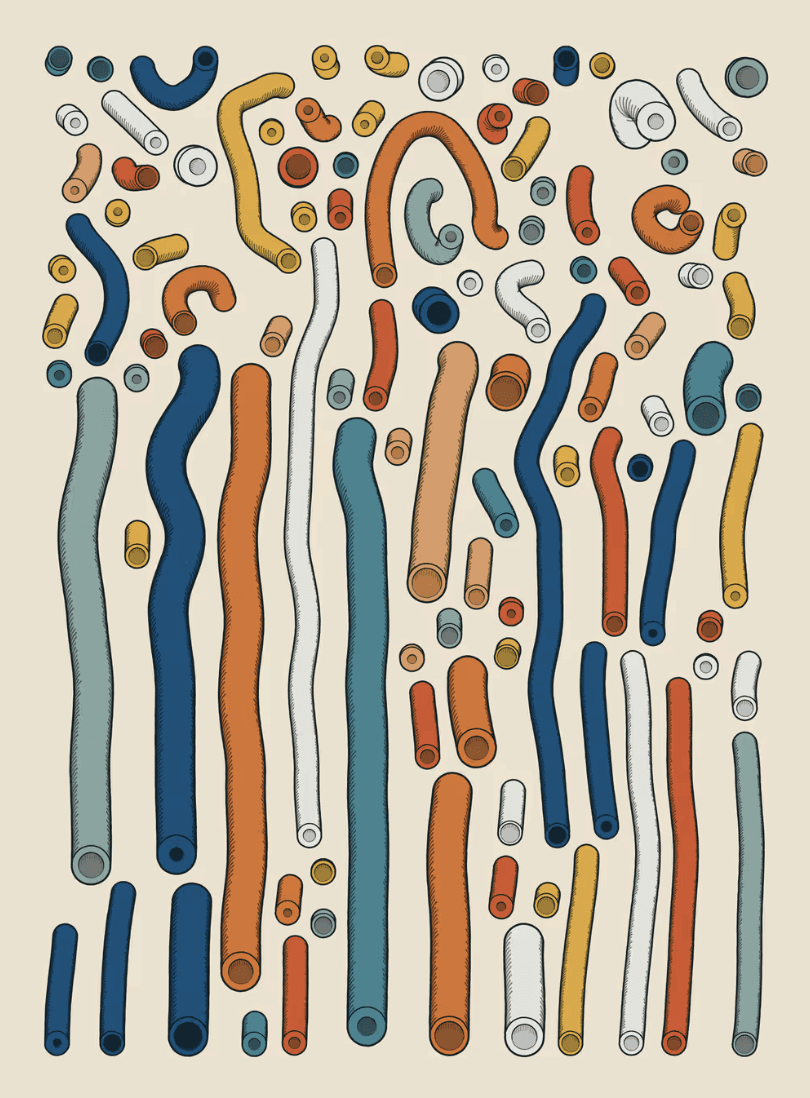
NFTs mattered because they gave digital objects history. Once an image could carry origin, custody, and rules across the open internet, collecting stopped being a platform feature and became internet-native.
Read it this way
Ownership widened
What became ownable was not just art, but identity, access, taste, memes, and cultural memory.
Read it this way
Meaning beat price
The most important works are the ones that make the medium legible, not just the market expensive.
Read it this way
Collection as explanation
This collection is most useful when it helps people understand what the rails unlocked.
Chapter 01
CryptoPunks made identity collectible.
CryptoPunks are the clearest early proof that a digital object could be scarce, portable, and culturally meaningful on Ethereum. More importantly, they turned ownership into identity. Punks were not just artworks to hold. They became avatars to wear, signals to broadcast, and the template that pushed profile-picture culture into crypto. A huge amount of onchain identity starts here: the idea that a wallet can hold not only assets, but persona, taste, and affiliation.
Punks turned ownership into something wearable: avatars, status signals, and social coordinates.
They helped define the PFP template and still sit near the beginning of Ethereum NFT history.

Chapter 02
Code became the medium, not just the tool.
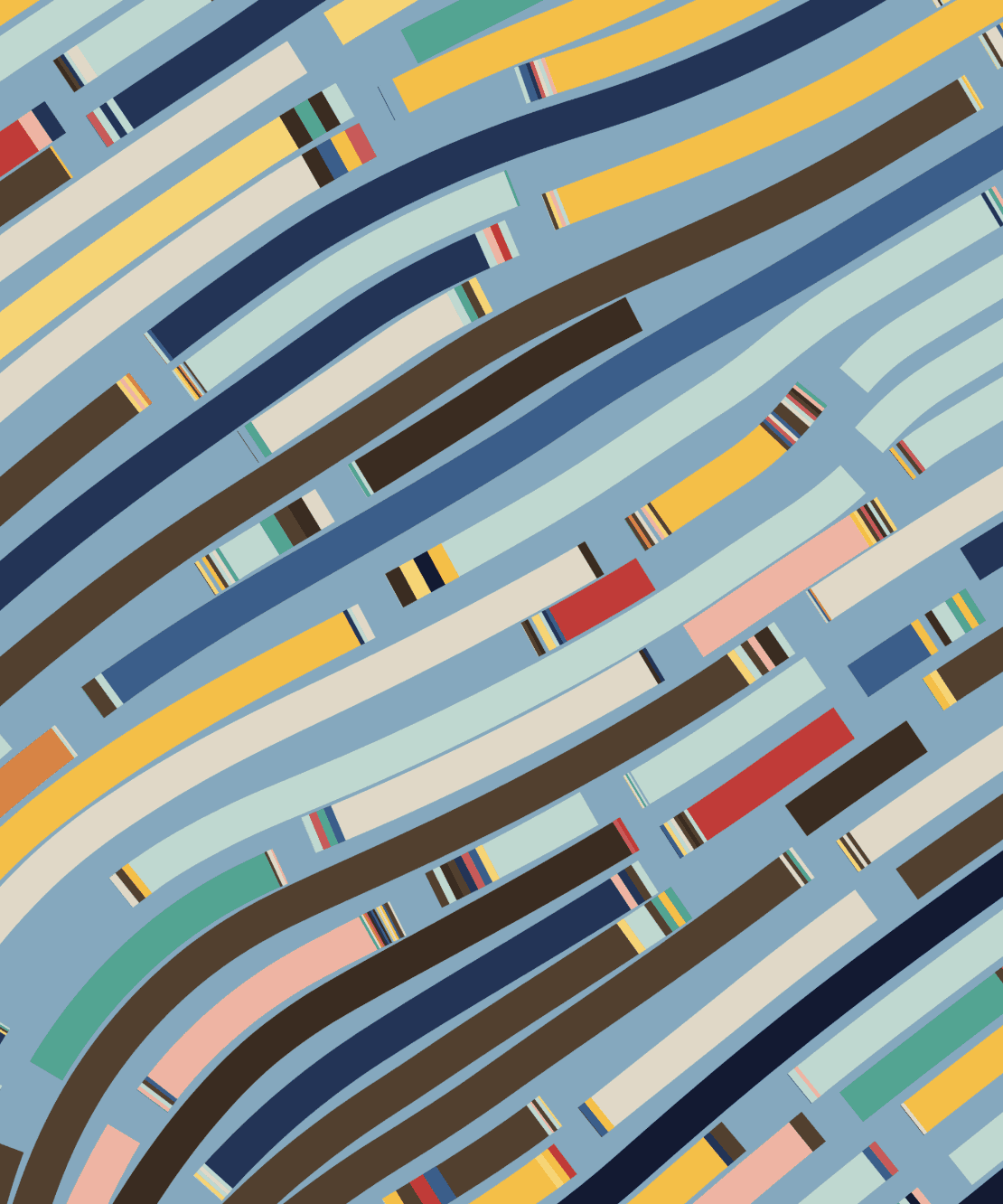
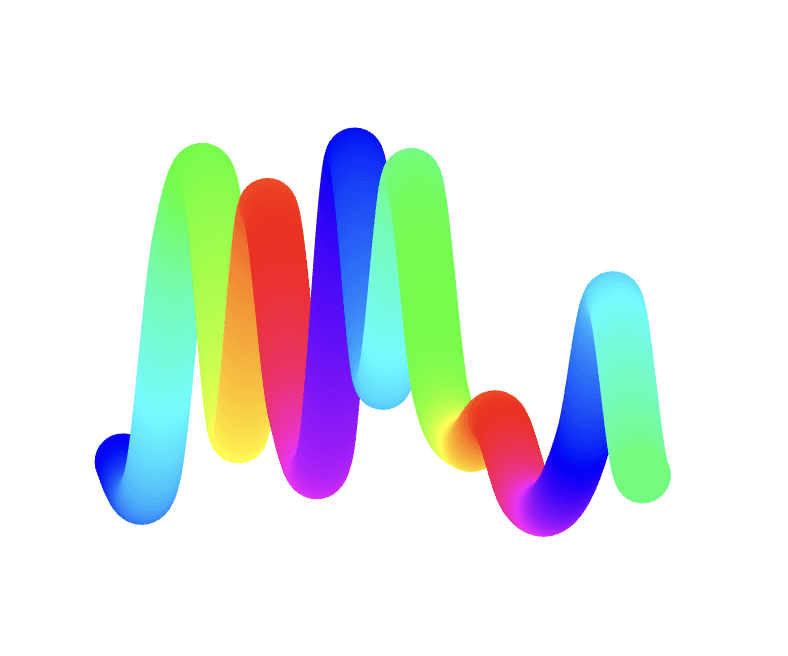
If CryptoPunks gave digital art an identity layer, Art Blocks pushed the medium deeper by making the algorithm itself the artwork. Chromie Squiggle is foundational because it is intentionally simple: a canonical generative form that marks the birth of Art Blocks and the idea that collectors could mint from code directly onchain. Tyler Hobbs' Fidenza showed how far that model could go. Its flow-field compositions made generative art legible to a much wider art audience without losing technical rigor. Together, Squiggles and Fidenzas show the arc from primitive to canon. QQL extends that lineage by making selection and curation part of the system itself.
The artwork is the algorithm plus the minted output, not just a file exported after the fact.
Squiggles show the foundational form; Fidenza shows how sophisticated and art-historically serious the medium became.
Chapter 03
Glitch became the emotional language of crypto art.
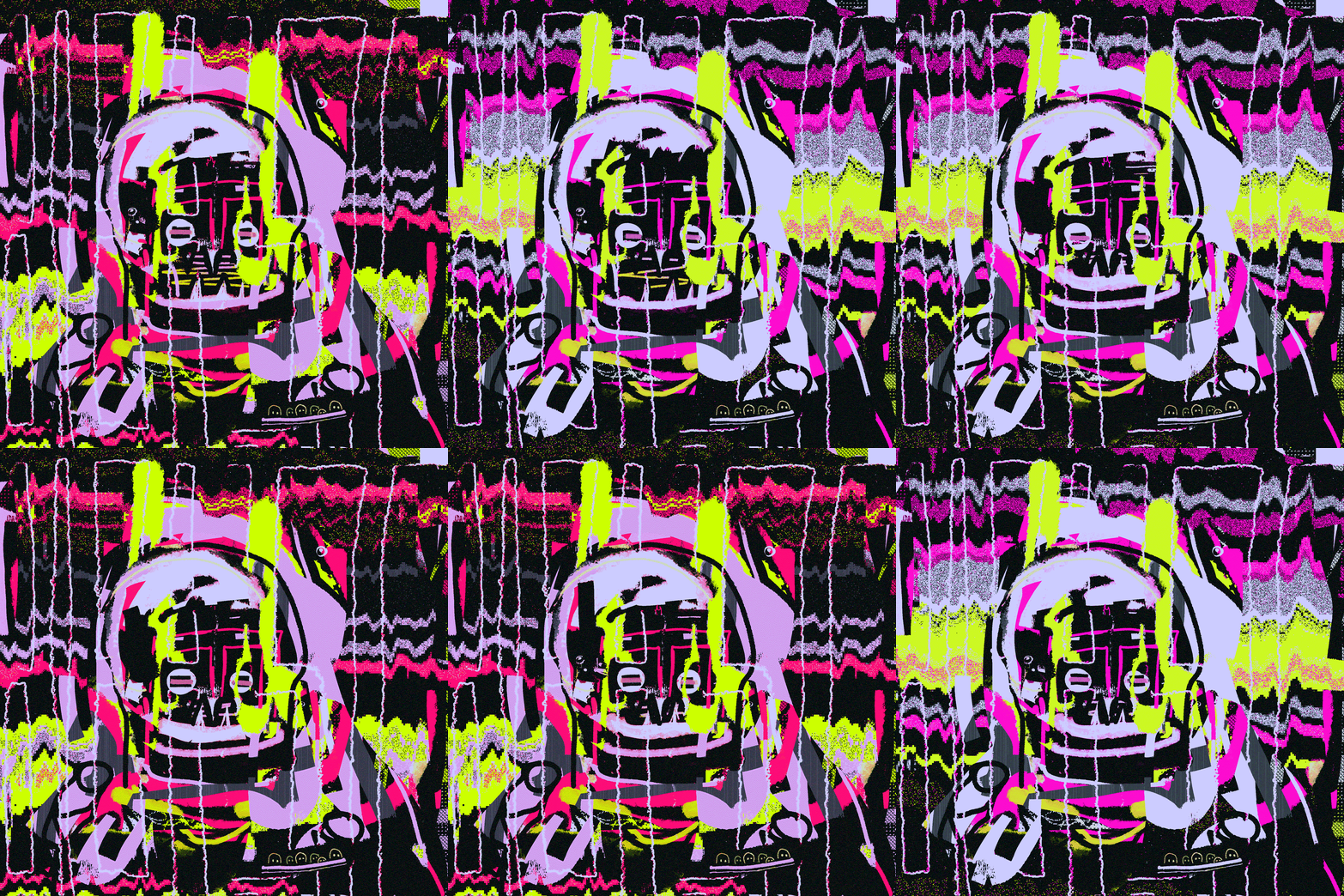
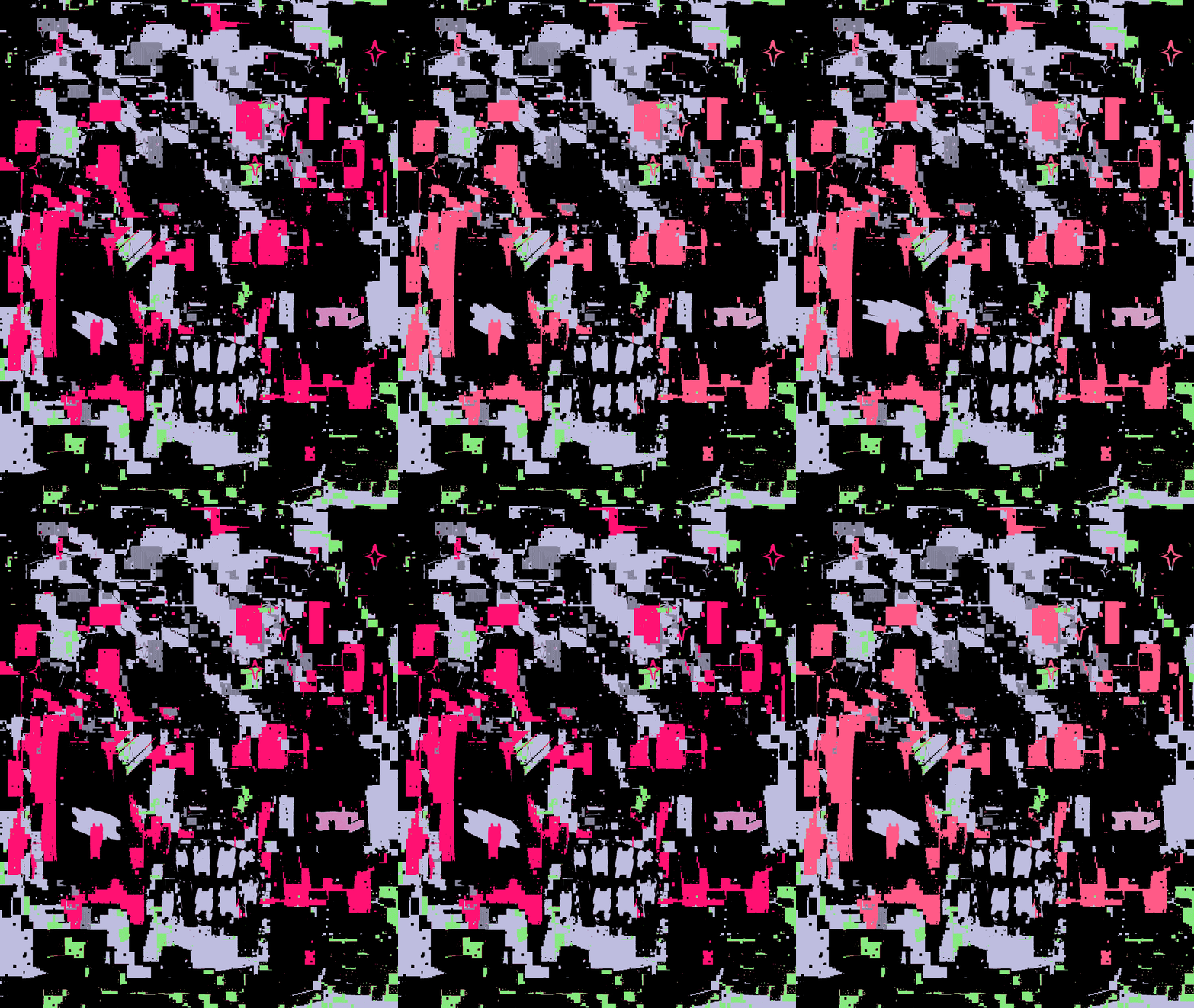
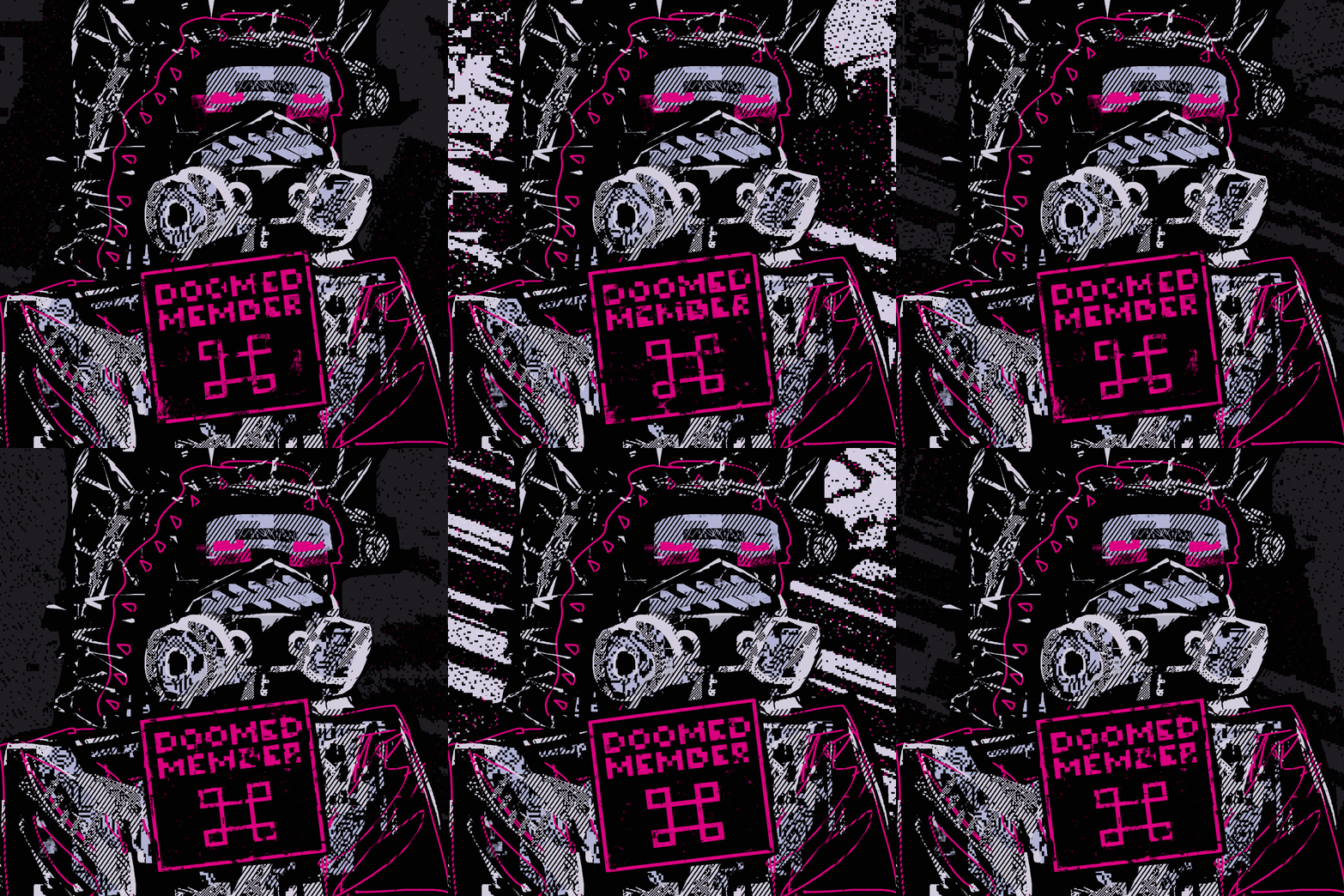
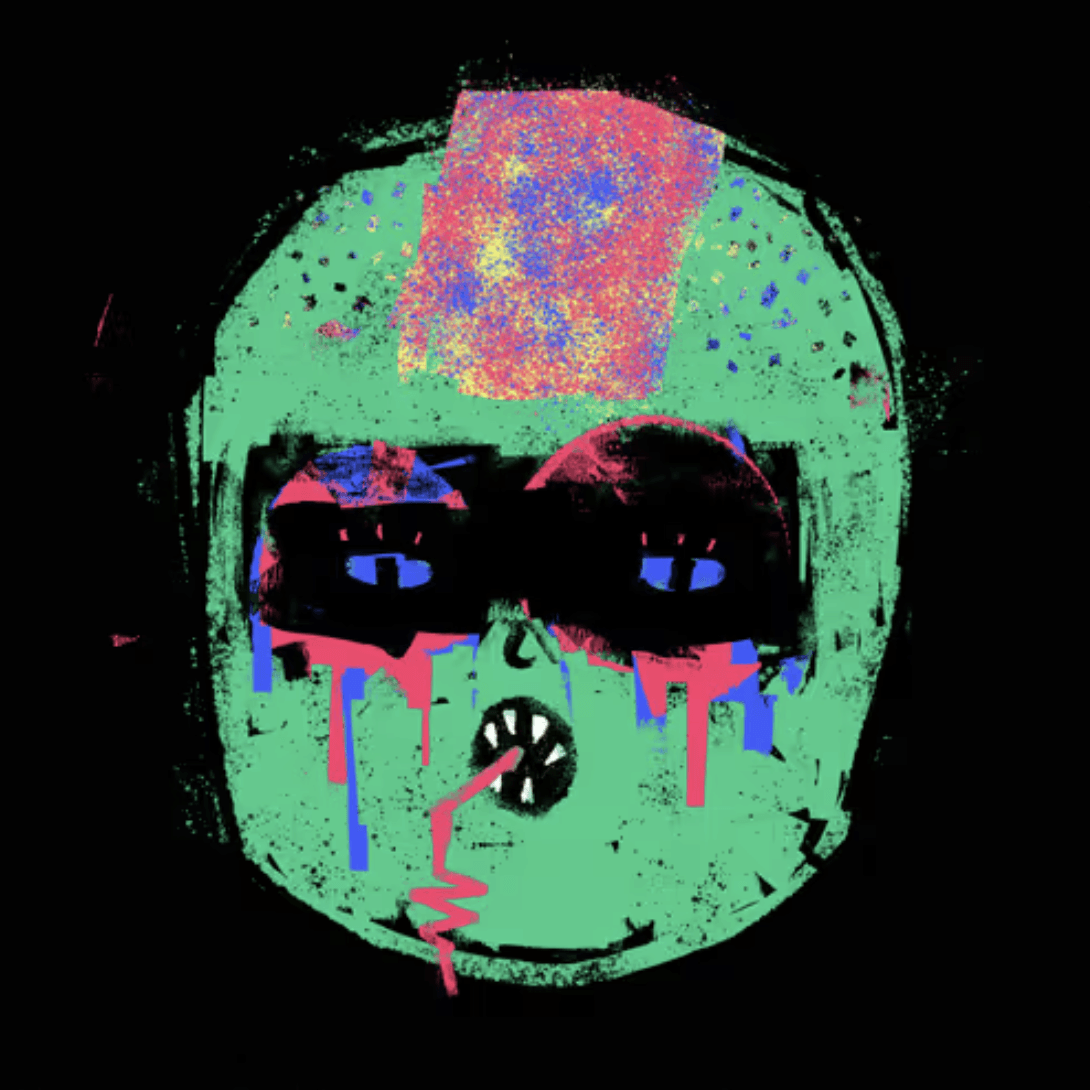
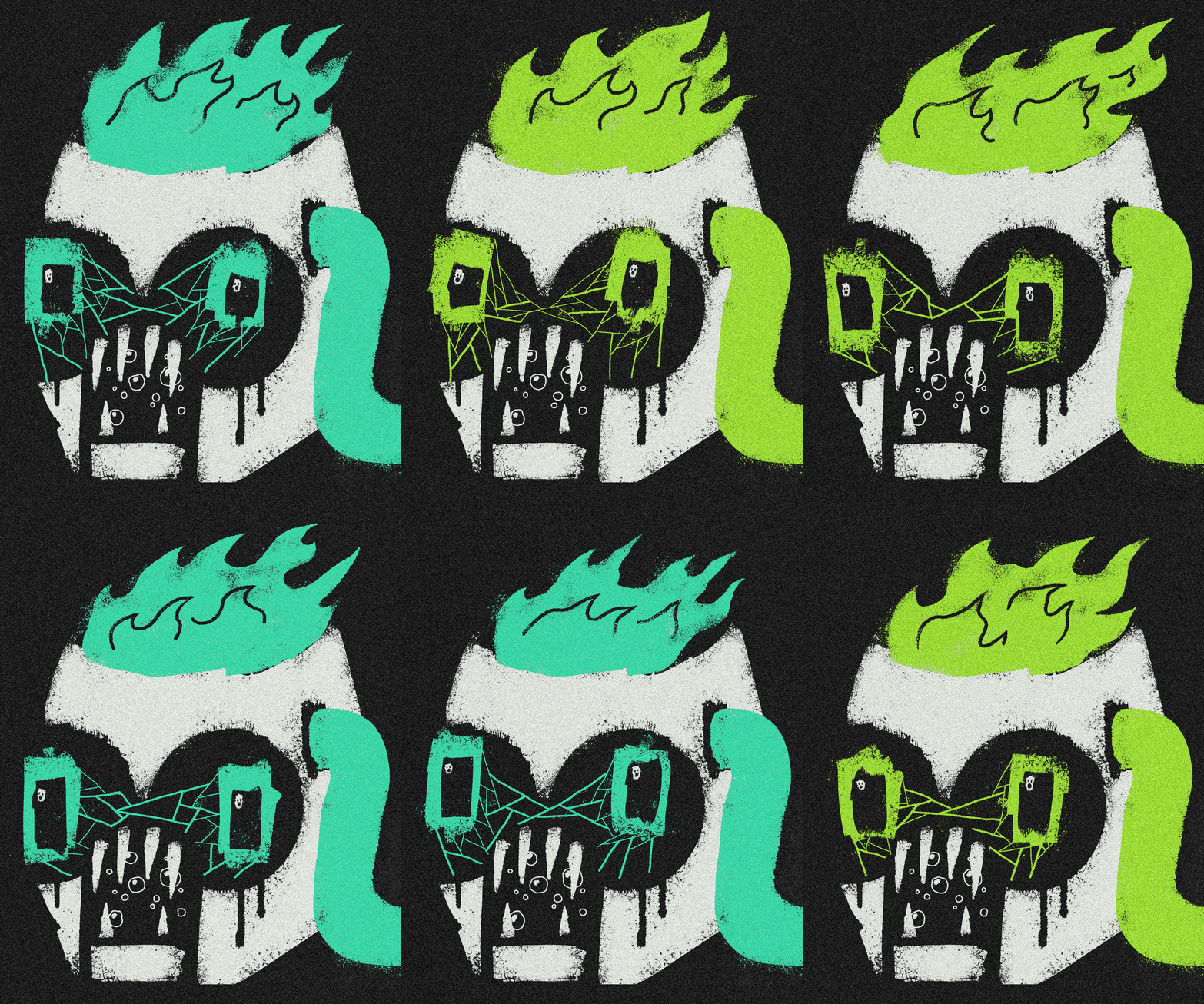
Glitch art existed before crypto, but XCOPY became one of the artists who made glitch aesthetics feel inseparable from crypto art's mood: volatile, decayed, euphoric, and terminally online. His skulls, distortions, and lurid loops capture the culture in a way polished branding never could. The distortion is the point. It mirrors the emotional texture of markets, avatars, and digital selfhood under pressure. The Doomed DAO member token matters for a related reason. It shows that ownership onchain is not only about art objects. It can also record belonging. A membership token becomes a public, transferable record of access, governance, and community alignment.
XCOPY did not invent glitch art, but he made glitch aesthetics central to crypto art's emotional vocabulary.
A DAO token records belonging in public: access, governance, and affiliation become inspectable and portable.


Chapter 04
Memes deserved property rights too.
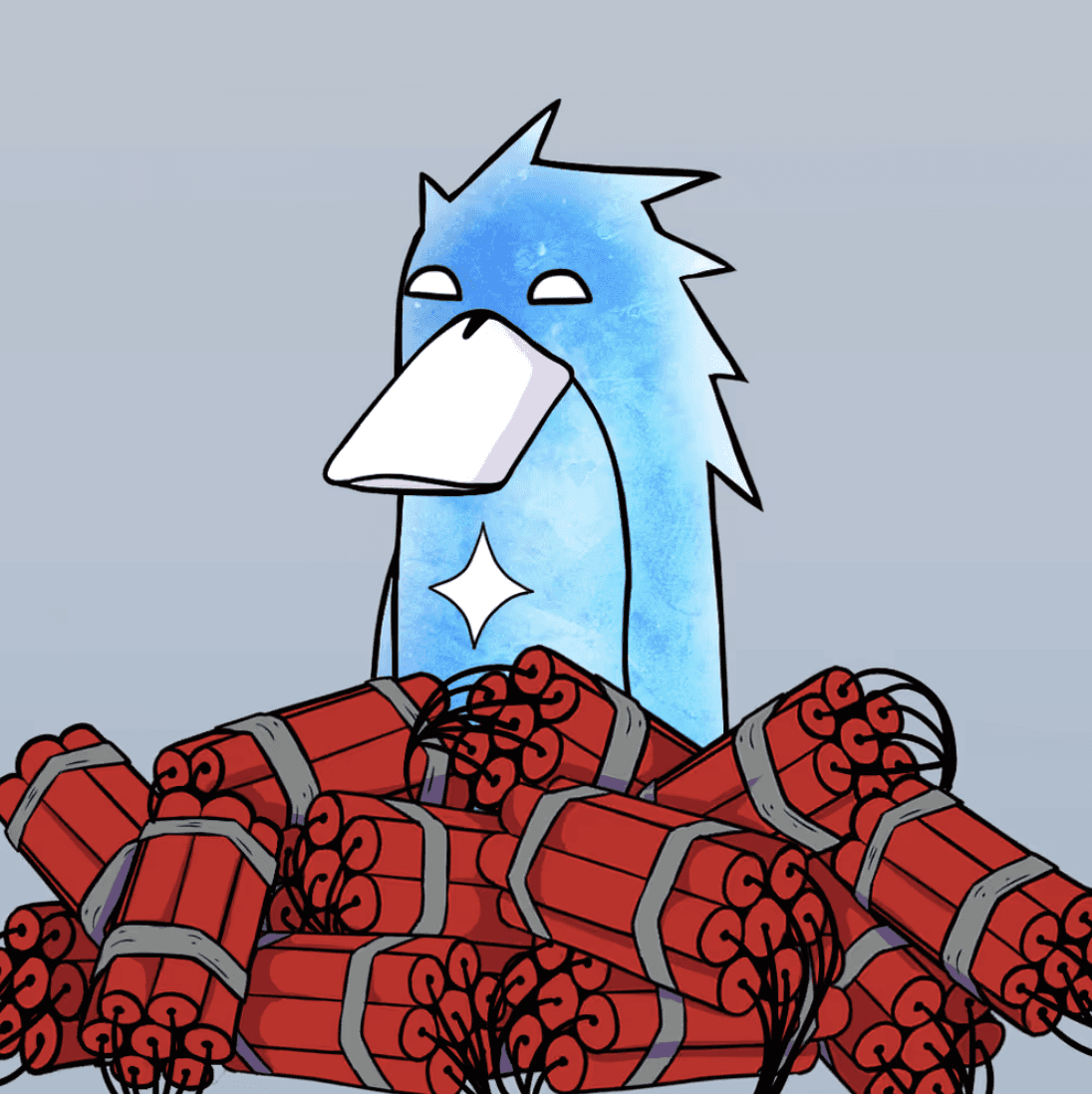
One mistake people make when reading NFT history is assuming it only mattered when it imitated fine art. Internet culture is weirder than that. CryptoDickButts is useful precisely because it is unserious, native, and instantly legible. It captures the part of crypto culture that runs on inside jokes, irreverence, and memetic spread. Putting that energy onchain meant the internet could preserve not just polished cultural artifacts, but its own humor. Works in this lane prove that digital ownership is not limited to solemn museum objects. It also covers the absurd, the viral, and the social objects people actually pass around.
CryptoDickButts matters because onchain culture was never only solemn or fine-art coded. It was memetic from the start.
Owning memes onchain means preserving the internet's own language, not just its prestigious artifacts.
Chapter 05
AI art moved from experiment to authored practice.
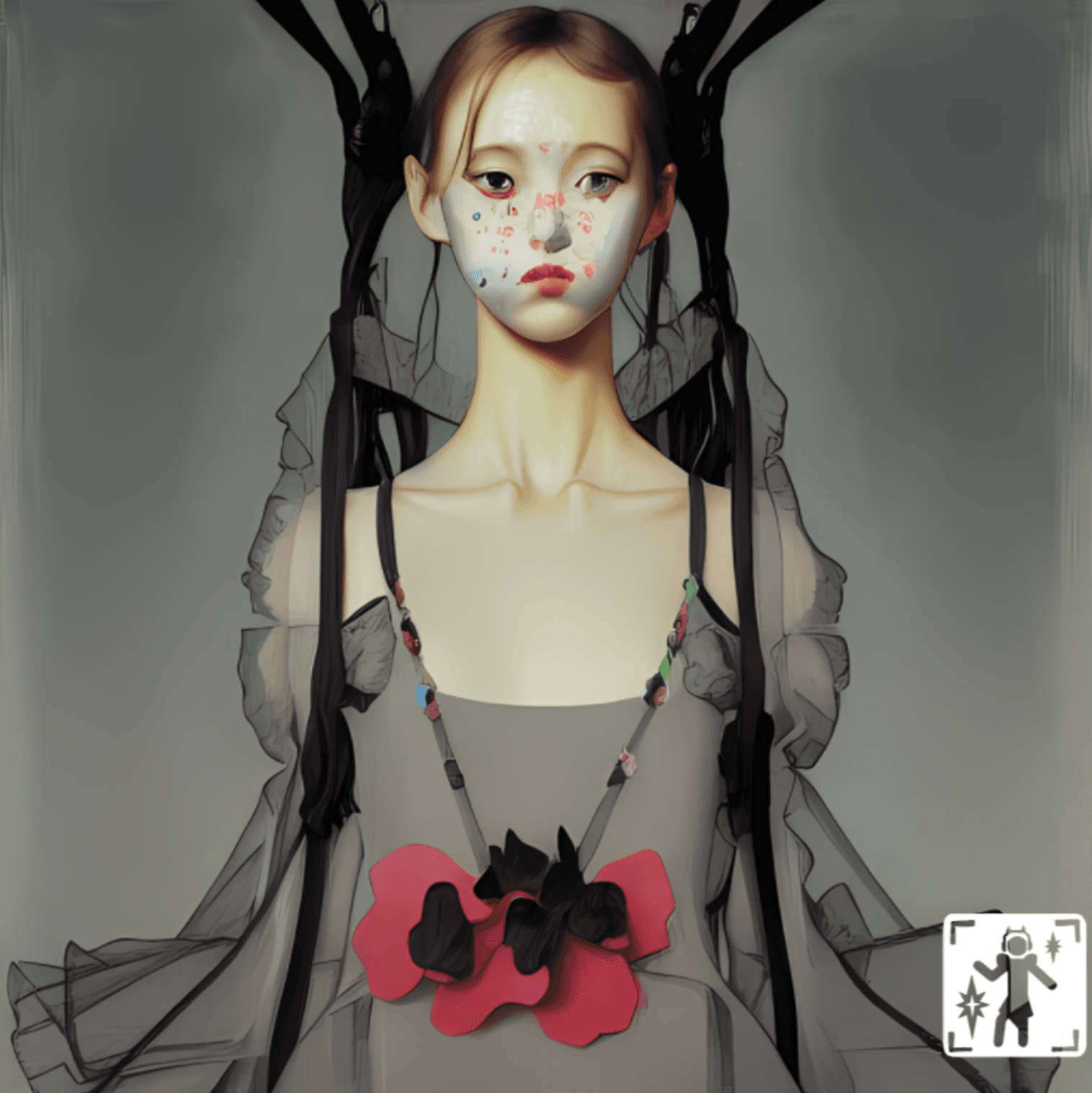
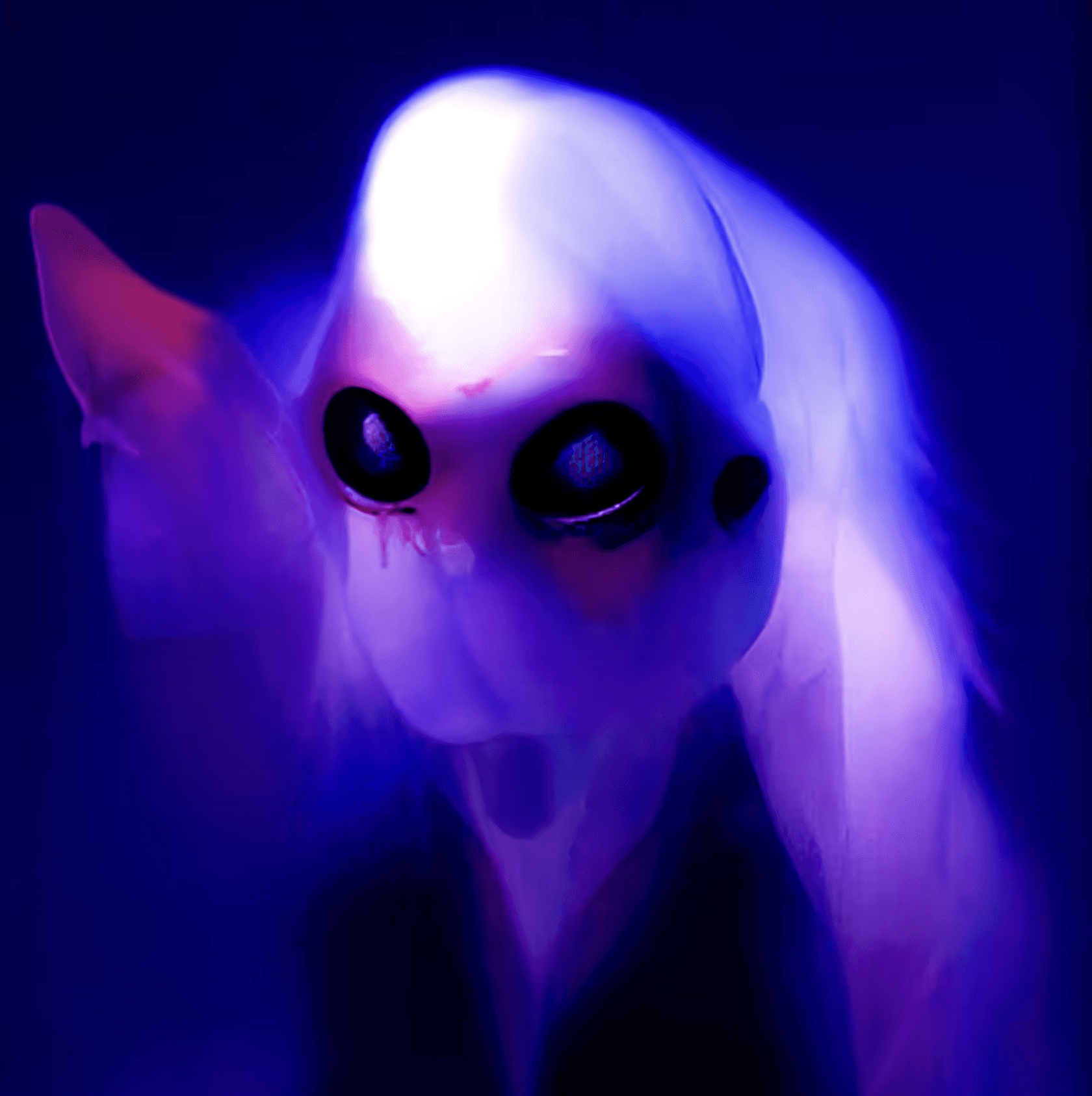
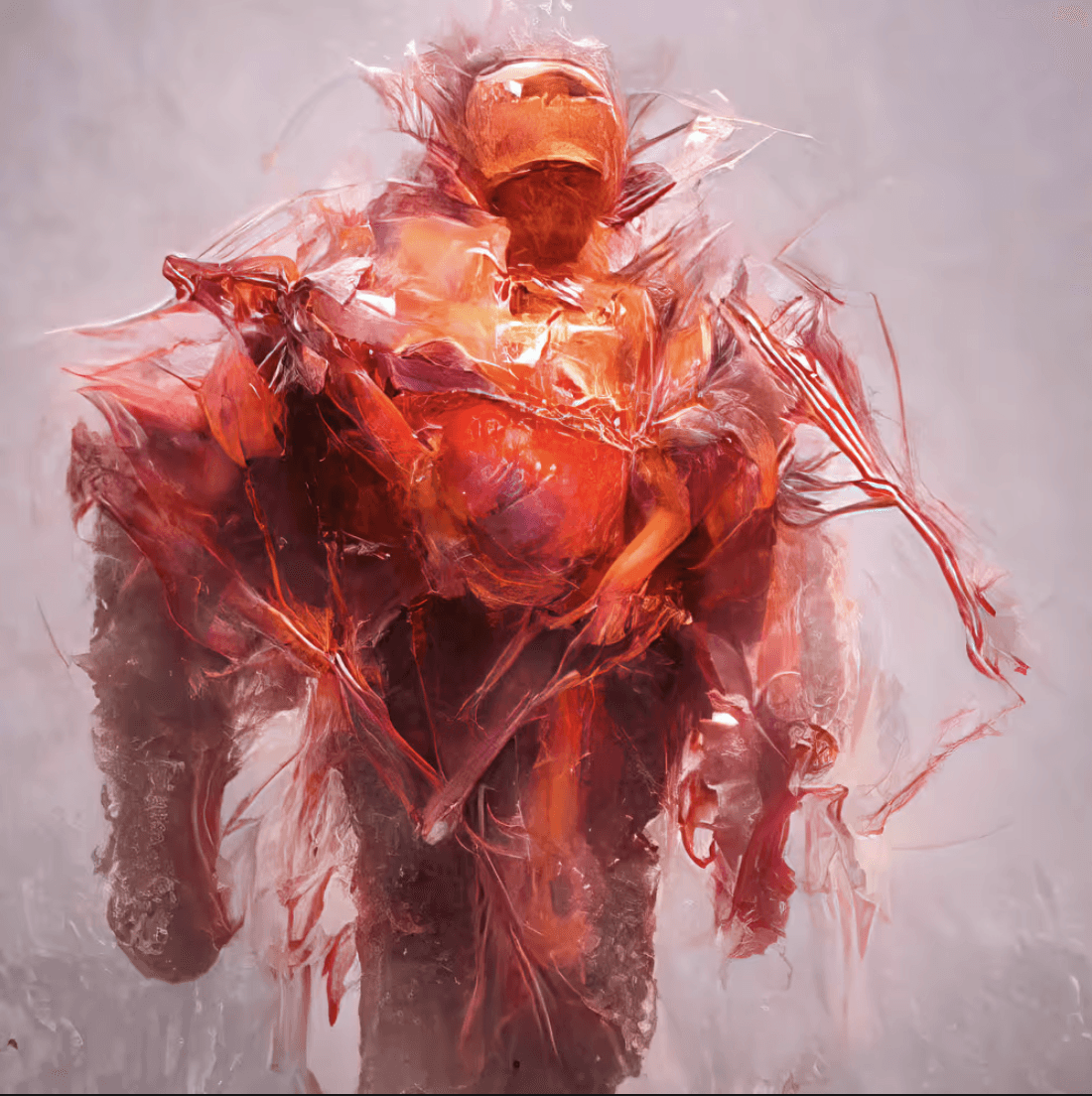
This part of the collection tracks an early arc in AI-native art. J48BAFORMS stands in for the GAN-era chapter, where machine learning began shaping visual output more directly and artists started testing what authorship looked like inside synthetic generation. Claire Silver and AIIV mark a later shift. Here AI stops feeling like a demo and starts feeling like a collaborator capable of carrying style, symbolism, and emotional intent. What matters is not the tool debate. It is that digital ownership made it possible to collect and contextualize a new artistic medium in public while it was still forming.
J48BAFORMS stands in for the earlier wave of machine-generated experimentation where models began shaping visual output directly.
Claire Silver and AIIV show the shift from novelty toward recognizable artistic voice inside AI-assisted image making.

Chapter 06
Damien Hirst turned ownership into a public decision.
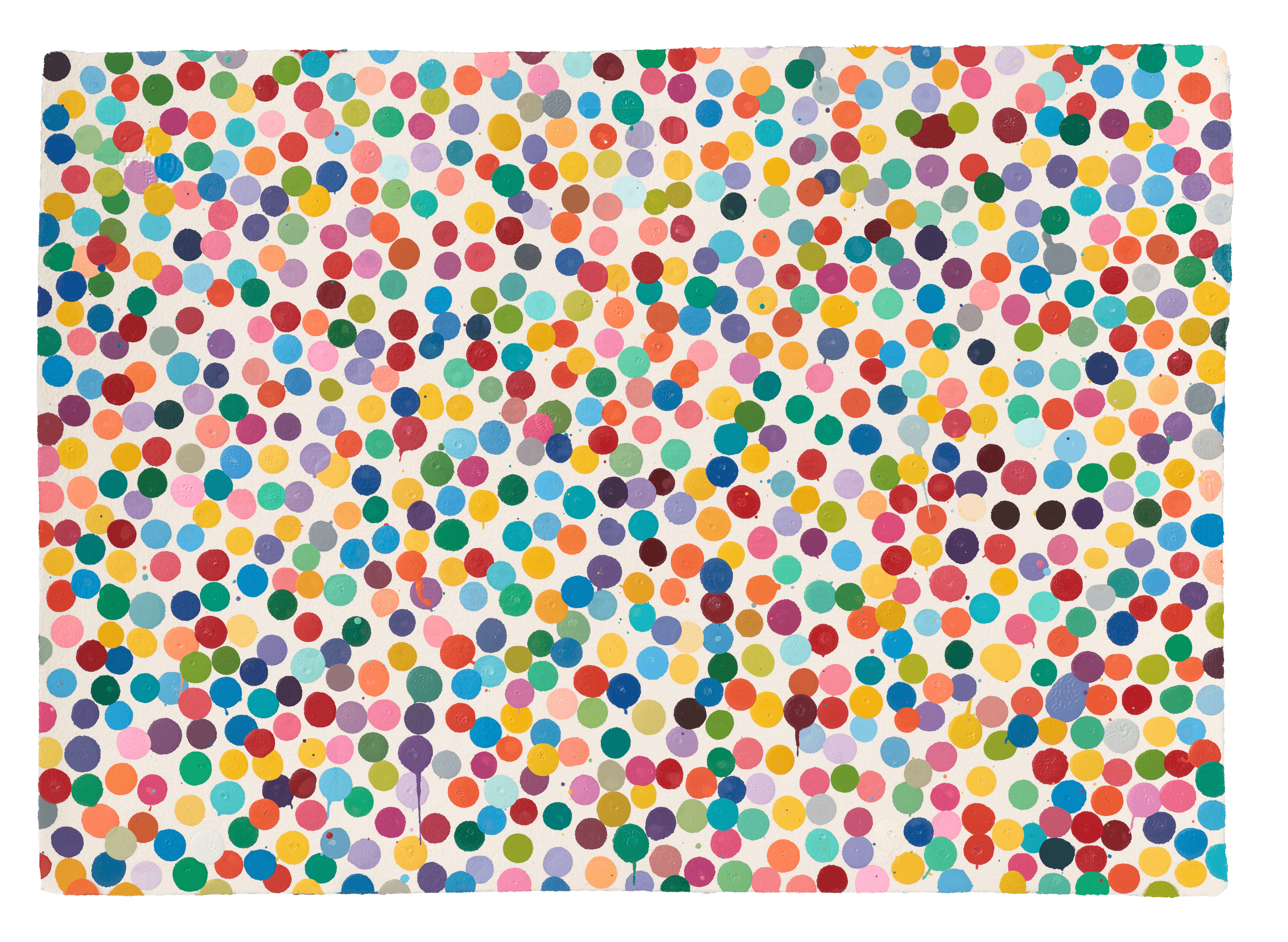
The Currency is one of the clearest thought experiments in the entire space. Each piece existed as both an NFT and a physical work, but collectors had to choose which version would survive. Keep the NFT and the physical work was destroyed. Redeem the physical work and the NFT was burned. That decision turned collecting into a philosophical wager about where value really lives. Is the artwork the object, the token, the record, or the choice itself? Hirst forced the market to answer in public. That makes The Currency especially useful in a page about digital ownership: it frames the medium not as a replacement for physical art, but as a live test of what ownership means when both forms can exist.
Collectors had to choose: keep the NFT and destroy the physical work, or redeem the physical work and burn the NFT.
The project made ownership philosophical. Was the work the paper, the token, the record, or the act of choosing?
Continue the thread
Digital ownership is bigger than NFTs.
The deeper shift is that the internet gained property rights, public provenance, and new ways to make culture portable. Art just happened to be one of the clearest places to see it first.